Heart Specialist in Rajshahi
Heart disease is one of the leading causes of death worldwide, and it is becoming increasingly common in Bangladesh. Many people experience symptoms such as chest pain, shortness of breath, heart palpitations, or high blood pressure, but often ignore them until the condition becomes serious. Consulting a qualified heart specialist (cardiologist) at the right time can help detect heart problems early and prevent life-threatening complications.
If you are looking for a heart specialist in Rajshahi, this guide will help you understand heart diseases, symptoms, risk factors, diagnostic tests, treatments, and tips to keep your heart healthy.
What Is a Heart Specialist?
A heart specialist, also known as a cardiologist, is a medical doctor who specializes in diagnosing and treating diseases related to the heart and blood vessels (cardiovascular system).
Cardiologists treat a wide range of heart-related conditions, including:
- Coronary artery disease
- High blood pressure (Hypertension)
- Heart attack
- Heart failure
- Heart valve diseases
- Irregular heartbeat (Arrhythmia)
- Congenital heart diseases
They also provide preventive care and lifestyle guidance to reduce the risk of heart disease.
Top Heart Specialists in Rajshahi
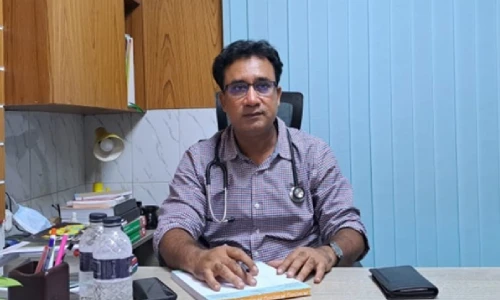
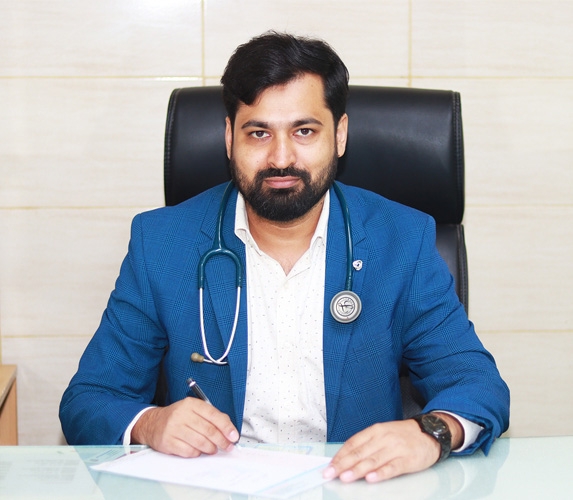
Some experienced cardiologists listed on HealthPlanBD include:
- Dr. Mollah Md. Iftekhar Hossain – MBBS, MD (Heart Disease), Assistant Professor of Cardiology at Rajshahi Medical College Hospital.
- Dr. A.S.M. Sayem- Cardiologist Specialist, MBBS, D-Card, Cardiologist Specialist
- Dr Md. Rakibul Hassan Tushar– Medicine and Cardiologist, Rajshahi Medical College Hospital, Rajshahi
- Dr. Md. Zahidus Sayeed – MBBS, BCS, MD (Cardiology), Assistant Professor in the Cardiology Department. Rajshahi Medical College Hospital
- Dr. RajeshKumar Ghosh – MBBS, BCS, MD (Cardiology), Cardiologist at Rajshahi Medical College Hospital.
- Dr. Md. Rois Uddin – MBBS, FCPS, MD (Cardiology), former head of the cardiology department.
These doctors provide treatment for heart disease, hypertension, heart valve problems, and other cardiovascular conditions.
Why You Should See a Heart Specialist in Rajshahi
Rajshahi is one of the major cities in Bangladesh with several hospitals and diagnostic centres offering cardiology services. Many experienced cardiologists are practising in Rajshahi and providing modern diagnosis and treatment for heart diseases.
People from surrounding districts such as Naogaon, Natore, Chapai Nawabganj, and Pabna often visit Rajshahi for specialised heart treatment.
Seeing a cardiologist is important if you have:
- Persistent chest pain
- Shortness of breath
- High blood pressure
- Family history of heart disease
- Diabetes or high cholesterol
Early consultation can significantly reduce the risk of heart attack and other serious complications.
Common Symptoms of Heart Disease
Heart diseases can sometimes develop silently without obvious symptoms. However, many patients experience warning signs that should not be ignored.
1. Chest Pain or Chest Pressure
Chest pain is one of the most common symptoms of heart disease. It may feel like tightness, pressure, burning, or heaviness in the chest.
2. Shortness of Breath
Difficulty breathing or feeling breathless during physical activity or rest may indicate heart problems.
3. Heart Palpitations
Palpitations refer to a fast, irregular, or pounding heartbeat.
4. Fatigue and Weakness
Unusual fatigue or weakness, especially during daily activities, can be a sign of heart disease.
5. Swelling in the Legs or Feet
Swelling in the lower limbs can occur due to heart failure or poor blood circulation.
6. Dizziness or Fainting
Lightheadedness or fainting episodes may occur due to irregular heart rhythms or reduced blood flow to the brain.
If you experience any of these symptoms, you should consult a heart specialist in Rajshahi immediately.
Major Causes of Heart Disease
Heart disease can occur due to several medical conditions and lifestyle factors.
High Blood Pressure
Hypertension is one of the most common causes of heart disease. It puts extra strain on the heart and blood vessels.
High Cholesterol
High cholesterol levels can lead to plaque buildup in the arteries, reducing blood flow to the heart.
Diabetes
People with diabetes have a higher risk of developing cardiovascular disease.
Smoking
Smoking damages blood vessels and increases the risk of heart attack and stroke.
Obesity
Excess body weight increases blood pressure, cholesterol, and the risk of heart disease.
Lack of Physical Activity
A sedentary lifestyle can weaken the heart and increase cardiovascular risk.
Diagnostic Tests for Heart Disease
Cardiologists use various diagnostic tests to detect heart problems and determine the best treatment plan.
ECG (Electrocardiogram)
An ECG measures the electrical activity of the heart and helps detect irregular heart rhythms and heart attacks.
Echocardiogram
An echocardiogram uses ultrasound waves to create images of the heart and evaluate its structure and function.
Exercise Stress Test (ETT)
This test evaluates how the heart performs during physical activity.
Holter Monitoring
Holter monitoring records the heart’s electrical activity continuously for 24 hours or longer.
Cardiac CT Scan
A CT scan provides detailed images of the heart and blood vessels.
Coronary Angiography
Angiography helps detect blockages in the coronary arteries.
These diagnostic tools allow cardiologists to identify heart problems accurately and provide appropriate treatment.
Treatment Options for Heart Disease
The treatment of heart disease depends on the type and severity of the condition.
Medications
Doctors often prescribe medications to control blood pressure, cholesterol, and heart rhythm.
Common medications include:
- Blood pressure medications
- Cholesterol-lowering drugs
- Blood thinners
- Beta blockers
Lifestyle Changes
Lifestyle modifications are essential for managing heart disease.
Patients are advised to:
- Eat a heart-healthy diet
- Exercise regularly
- Quit smoking
- Maintain a healthy weight
- Reduce stress
Medical Procedures
In some cases, advanced medical procedures may be required.
These may include:
- Angioplasty and stent placement
- Pacemaker implantation
- Heart valve surgery
- Coronary artery bypass surgery (CABG)
How to Prevent Heart Disease
Prevention is the best way to maintain a healthy heart.
Eat a Healthy Diet
Choose foods that are low in saturated fat, salt, and cholesterol.
Healthy foods include:
- Fruits and vegetables
- Whole grains
- Lean protein
- Fish and nuts
Exercise Regularly
Regular physical activity helps strengthen the heart and improve blood circulation.
Experts recommend at least 30 minutes of exercise daily.
Avoid Smoking
Smoking significantly increases the risk of heart disease and stroke.
Control Blood Pressure and Diabetes
Regular health checkups help detect and control these conditions early.
Manage Stress
Chronic stress can negatively affect heart health.
Relaxation techniques such as meditation, yoga, and deep breathing can help manage stress.
When Should You Visit a Heart Specialist?
You should consult a heart specialist in Rajshahi if you experience:
- Chest pain or tightness
- Persistent shortness of breath
- Irregular heartbeat
- Unexplained fatigue
- High blood pressure
People over 40 years old or those with diabetes or a family history of heart disease should have regular cardiac checkups.
Importance of Early Diagnosis
Early diagnosis plays a crucial role in preventing serious heart complications.
When heart disease is detected at an early stage:
- Treatment becomes easier
- Risk of heart attack decreases
- Quality of life improves
Regular screening and consultation with a cardiologist can help detect problems before they become severe.
Conclusion
Heart disease is a major health concern, but it can often be prevented and managed with early diagnosis and proper medical care. If you experience symptoms such as chest pain, breathing difficulty, or irregular heartbeat, you should consult an experienced heart specialist in Rajshahi without delay.
By maintaining a healthy lifestyle, undergoing regular health checkups, and following your doctor’s advice, you can significantly reduce the risk of heart disease and enjoy a healthier life.